
Dogs are not born knowing the house rules. Jumping on guests, pulling on the leash, ignoring a recall at the park — none of that comes from stubbornness. It comes from a simple gap in communication between a dog and the people around them. Professional dog training closes that gap, and it is one of the most practical gifts you can give a dog and your household.
At The Barrie Inn in Woodmere, NY, our professional dog training programs are designed to help dogs become more confident, responsive, and well-mannered members of the family. Whether you are starting with a young puppy, helping an adult dog polish basic obedience, or working through challenging behaviors, training gives your dog a clear way to understand what you are asking — and gives you the tools to reinforce it every day.
Why “problem dogs” are usually communication problems
Most dogs are not misbehaving on purpose. A dog that jumps has learned that jumping gets attention. A dog that bolts out the door has never been taught that waiting pays off. A dog that will not come when called has probably heard the word “come” in a hundred different contexts and learned that it is negotiable.
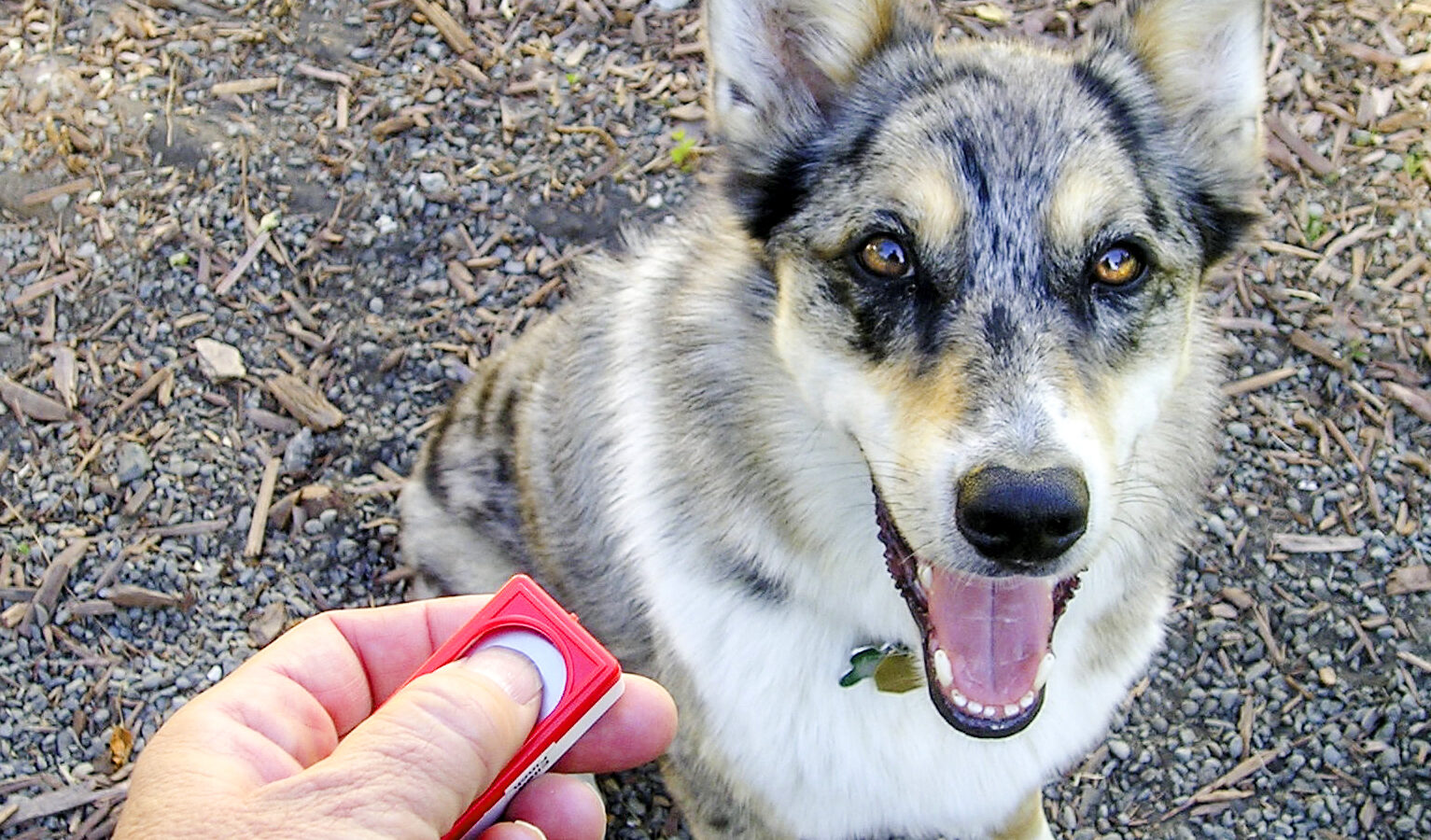
Professional training works because it replaces that confusion with structure. Commands become consistent, rewards become predictable, and your dog starts to understand exactly which behaviors make good things happen. The result is a calmer household — and a dog that pays more attention to you than to every distraction on the block.
What professional dog training actually covers
Every owner’s goals are a little different, but most training plans work on the same core building blocks:
- Basic obedience commands like sit, down, and stay
- Loose-leash walking that does not turn every walk into a tug-of-war
- Building focus and attention around distractions
- Reducing jumping and over-the-top excitement when people arrive
- Improving recall so your dog responds the first time
- Polite greetings with strangers, children, and other dogs
- Building confidence in new environments
- Addressing unwanted or disruptive behaviors
- Strengthening the communication between you and your dog
That last one matters more than people expect. Training is not something you buy once and the dog keeps forever like a haircut. It is a skill your dog learns, and skill fades without use. Part of every good program is teaching you how to reinforce the progress your dog has already made.
Every dog gets a plan of their own
No two dogs train the same way. A bold five-month-old puppy needs different exercises than a hesitant rescue settling into a new home. That is why our certified trainers look at your dog’s age, personality, experience, and specific behavior before building a plan — and why they work with you to pick the goals that matter most for real life in your household.
The goal is never to change who your dog is. Some dogs are naturally exuberant. Some are watchful. Training does not flatten those personalities — it channels them, so your dog’s natural energy and curiosity have somewhere useful to go. Good training reads a dog’s body language and motivation, then builds on it in small steps the dog can win.
Puppies, adults, and dogs who need a second chance
Puppies benefit most from starting early, before bad habits have months of practice behind them. Foundation work now — name response, leash manners, impulse control — saves you from un-learning later.
Adult dogs do just as well in training; they simply may need a little more structure at the start. Many owners bring in an adult dog for a refresher after a move, a new baby, or a change in routine that has nudged old habits loose.
Dogs with specific challenges — fear, anxiety, reactivity at the window, or rough greetings — benefit from having a trainer observe the behavior directly and build a plan around it instead of guessing.
Keeping the progress between sessions
What happens between training sessions decides how much sticks. A few habits make the difference:
- Keep sessions short and winnable — five focused minutes beats an hour of frustration
- Everyone in the house uses the same cue words, the same way
- Practice in more than one place; a “sit” your dog knows in the kitchen should also work on the sidewalk in Woodmere
- Reward within a second or two of the behavior you want, not a minute later
- Ask for one small behavior before good things — doors open, meals land, leashes clip
One team for training, grooming, and more in Woodmere
The Barrie Inn has cared for Long Island pets since 2002. Alongside professional dog training, we offer professional dog grooming, feline grooming, cageless boarding, and premium health food for pets — all from one familiar team your dog already knows.
Ready to get started? Learn more about professional dog training in Woodmere, NY on our service page, review the frequently asked questions, or contact us to talk through your dog’s needs — or call us at (516) 569-1555. We will help you build a training plan around your dog, not a one-size-fits-all checklist.